Two Anchor Roles
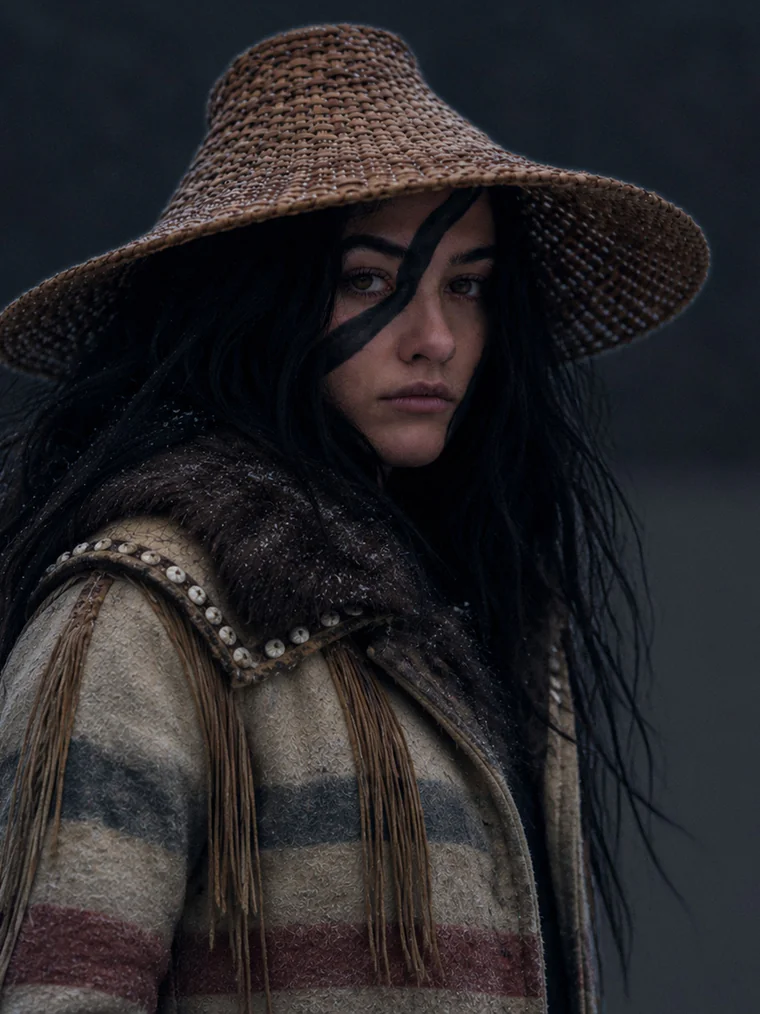
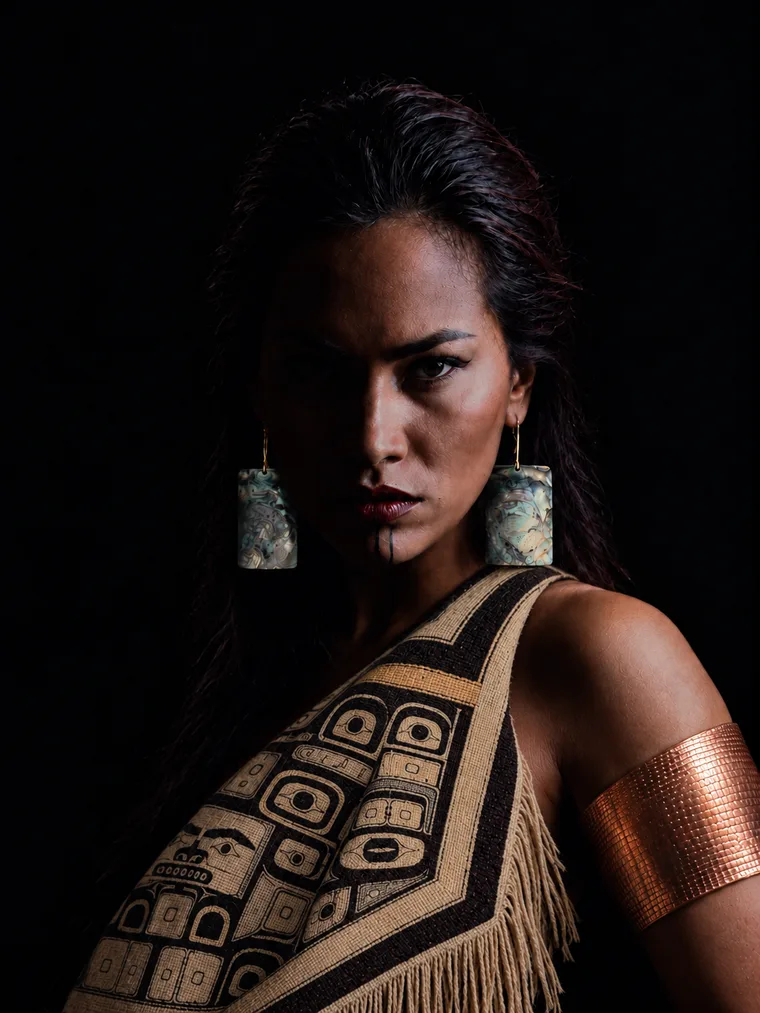
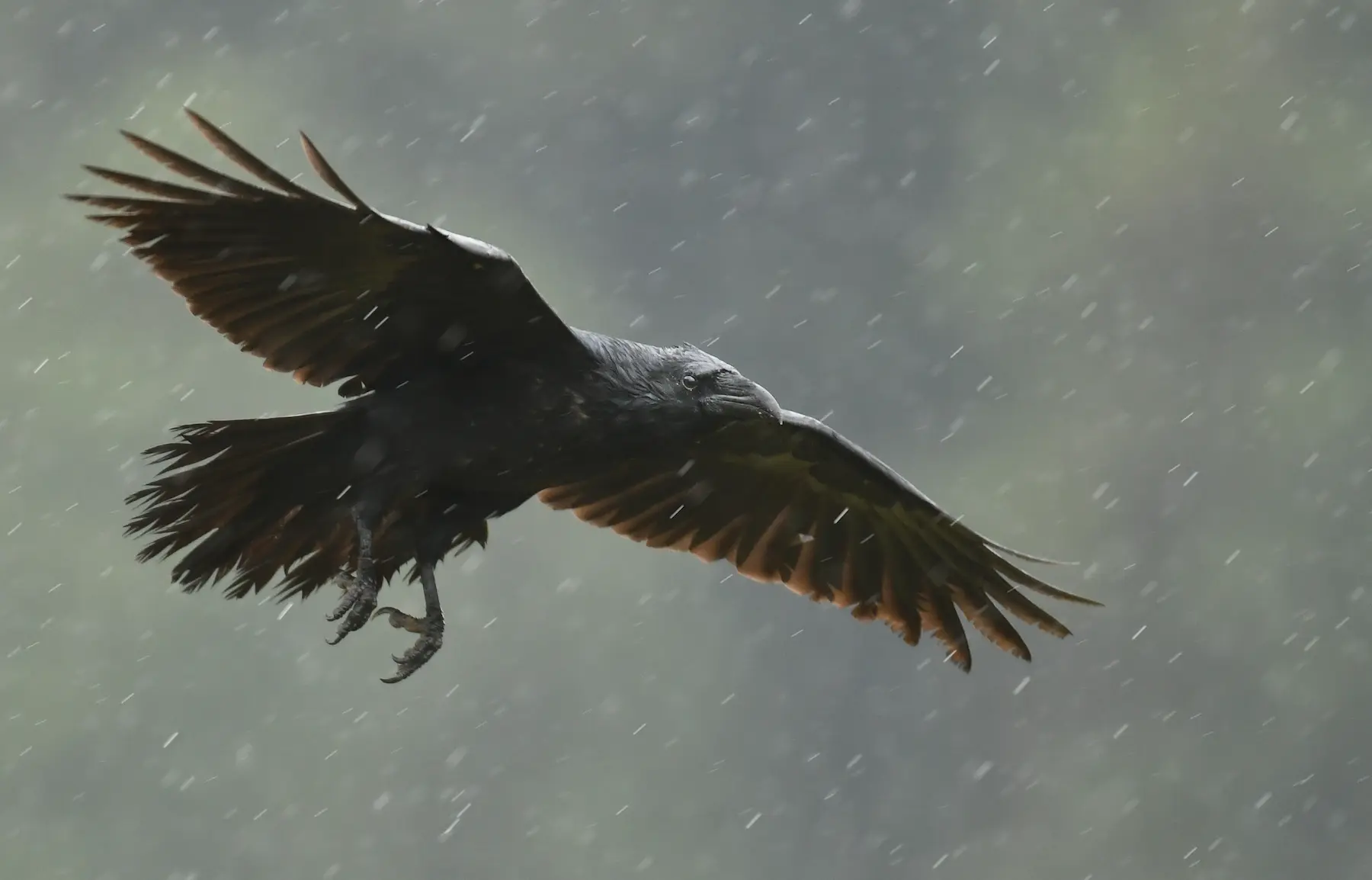
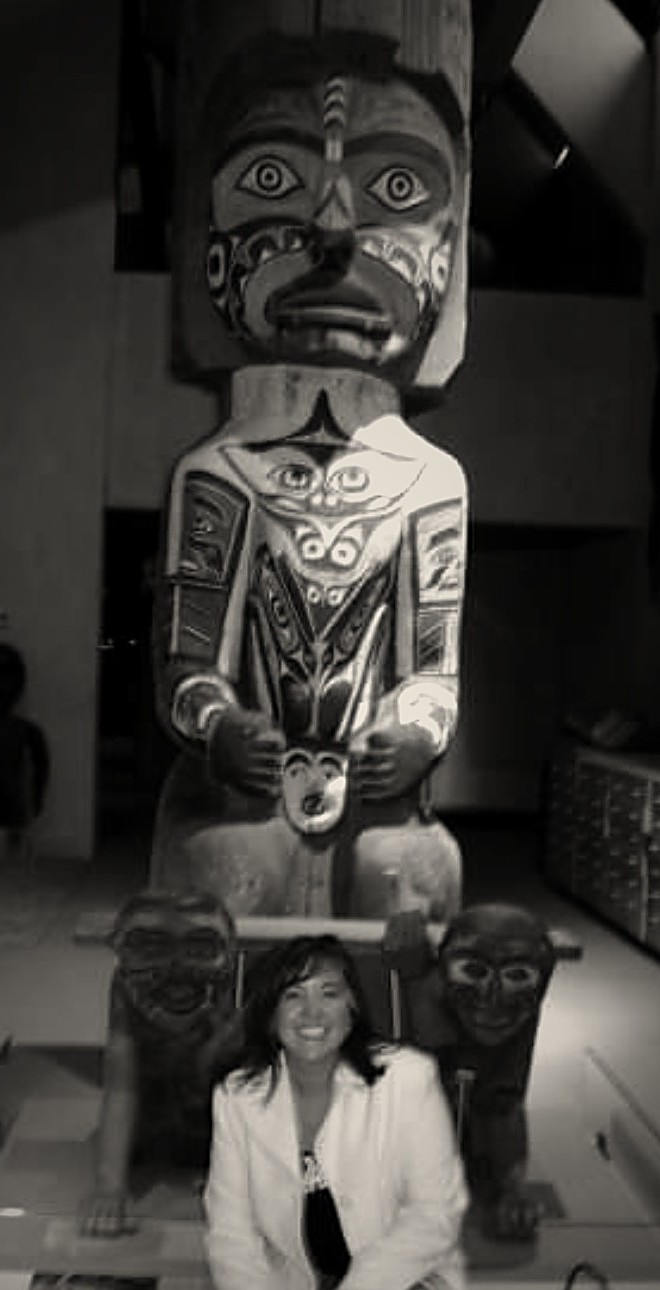
Concept imagery. Neither role is cast.
She races boys through raging rapids, hunts, throws punches and wins knife-throwing contests. But ask what clan she belongs to, and she cannot speak.
She cares for her adoptive grandmother and her giant, gentle uncle with the stutter and kind eyes. Strength comes naturally. Belonging does not.
“Neshekai is a clean engine: orphaned, name-hungry, status-poor, gifted with a dangerous instrument that tests what she feeds it.”
“The more successful the villain, the more successful the picture.”
The most feared chieftainess on the coast. A woman who believes her cruelty is love, and commands the dead to prove it. Right about the enemy. Wrong about everything after. She is Neshekai’s mother, the woman who threw her from a cliff at birth and would rather she had stayed dead. A Goliath role for a veteran actress.
“[The Chieftainess] is the most castable role. She has command, pain, beauty, cruelty, and a damaged logic that makes her more than a stock villain.”
“[The Chieftainess] is the rare antagonist who is tragic without absolution.”
“She’s not evil for evil’s sake; she’s someone who’s chosen survival over morality and convinced herself it’s wisdom.”
An explosion. A chase. A leviathan. A world ten thousand years deep.
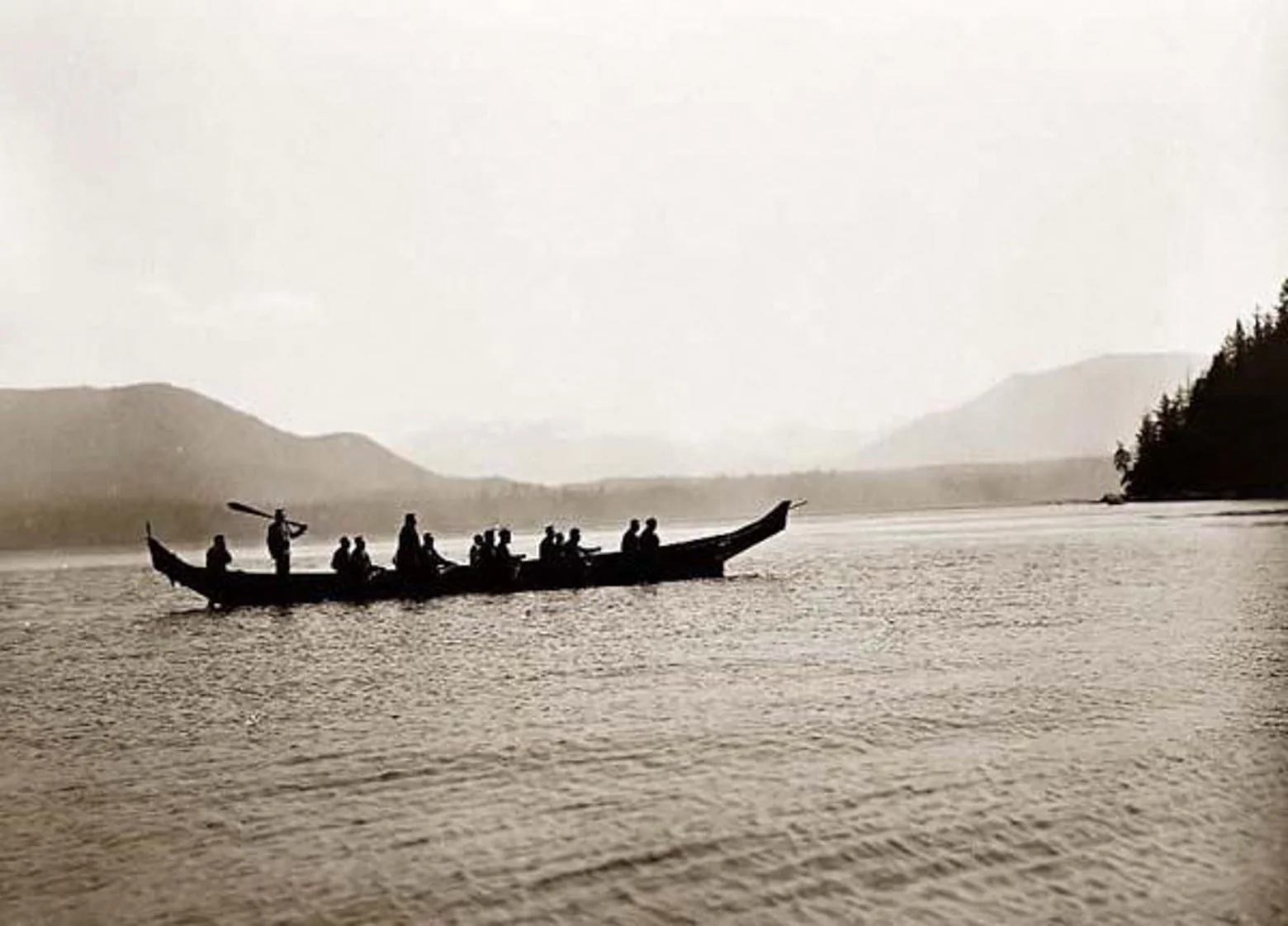
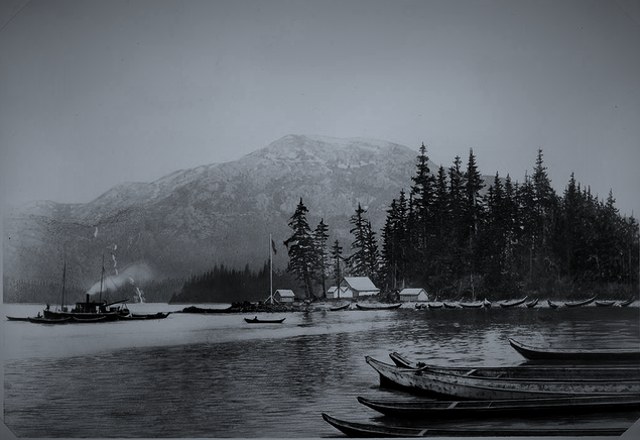
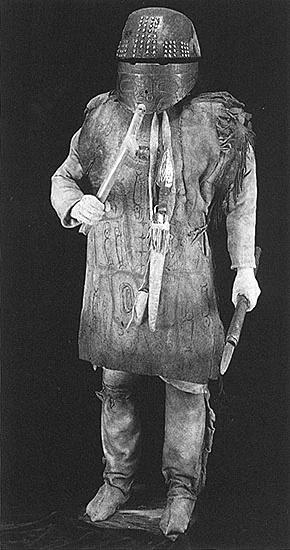
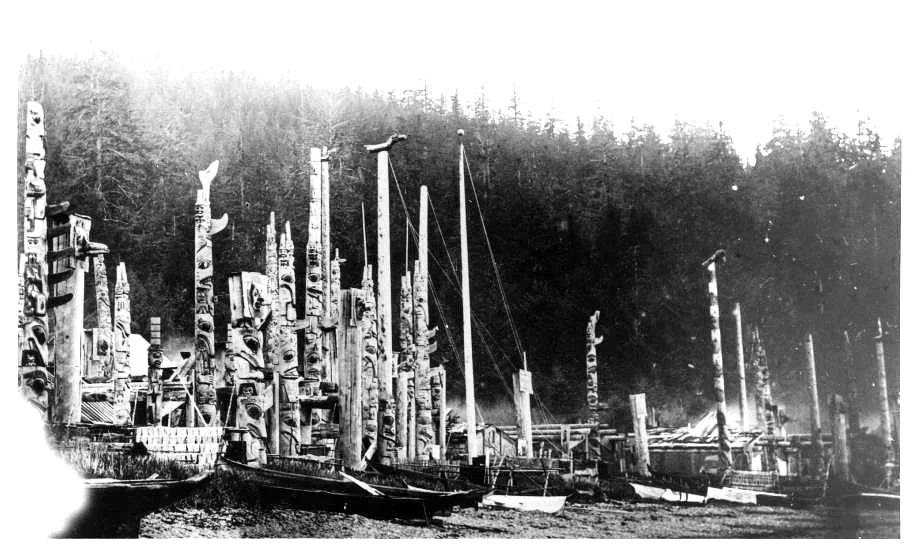
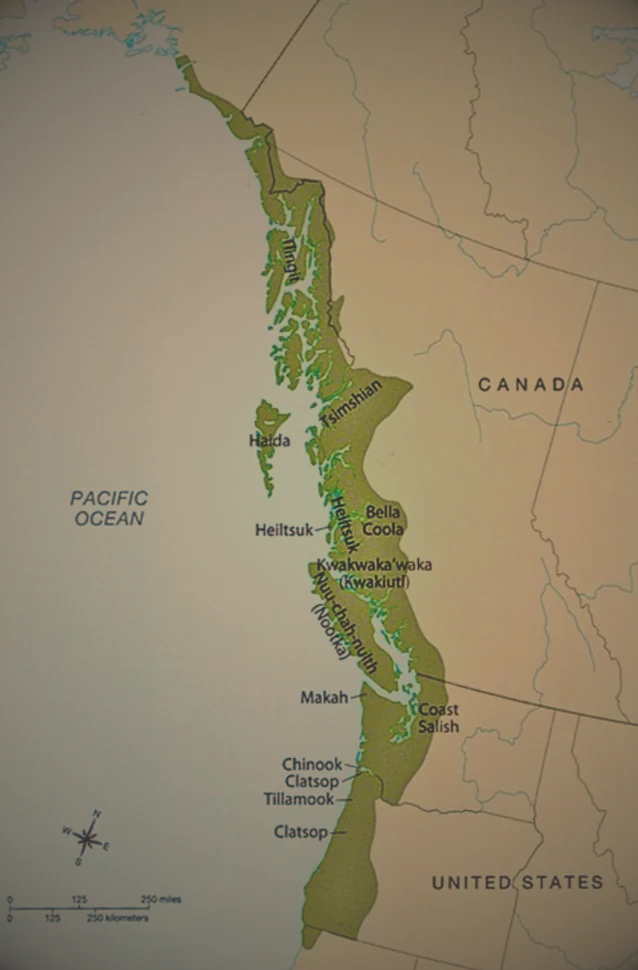
This is a thriller, built the way Northwest Coast stories have always been built. The Potlatch was Court and Broadway at once. This film works the same way. It moves through characters, a love story, and a spirit world. The dead are present.
“The story’s very effective battle scenes are epic contests between man and beast, beast and beast (an octopus versus a killer whale, for example) or, sometimes, woman vs. woman…”